
Can I Refuse a Breathalyzer? 11 Legal Facts You Must Know


Ever wondered what happens when you’re asked to take a breathalyzer test during a traffic stop? Saying no to a breathalyzer can change your legal situation and driving rights in big ways.
When police think you might be driving drunk, the breathalyzer test is very important. Knowing your rights and what happens if you refuse is key to protecting yourself.
The rules around chemical sobriety tests are complex. You might think not taking a breathalyzer helps you, but it can lead to big penalties. These penalties can affect your life more than taking the test would.
Key Takeaways
- Refusing a breathalyzer can result in automatic license suspension
- First-time refusal can lead to up to one year license suspension
- Breathalyzer refusal is considered a separate traffic violation
- Silence or ambiguous response is legally treated as test refusal
- Consequences vary by state but generally include significant penalties
Understanding Breathalyzer Tests in the U.S.
Breathalyzer tests are key in DUI laws across the U.S. They are small devices used by police to check if a driver has been drinking. This is done during stops or at checkpoints.
What is a Breathalyzer?
A breathalyzer is a tool that checks how much alcohol is in your breath. It gives quick results to help police spot drunk drivers.
How Do Breathalyzers Work?
Breathalyzers use special tech to find alcohol in your breath. When you blow into it, it checks your breath’s alcohol level. This shows how much alcohol is in your blood.
Common Scenarios for Breathalyzer Use
- Routine traffic stops
- DUI checkpoints
- Suspected impaired driving incidents
- Post-accident investigations
It’s important to know about refusing a BAC test. The laws about this vary by state. Legal troubles can be serious if you don’t follow the rules.
| BAC Limit | Driver Category | Legal Consequences |
|---|---|---|
| 0.08% | Drivers 21 and older | Potential DUI charges |
| 0.02% | Drivers under 21 | Zero tolerance policy |
Drivers need to know the DUI laws in their area. They should also understand what happens if they refuse a test.
Implied Consent Laws Explained
Driving is a big responsibility. When you get a driver’s license, you agree to certain rules. These rules help keep everyone safe on the road.
Understanding Implied Consent
Implied consent laws mean drivers must take tests if police think they’re drunk. By getting a driver’s license, you agree to these tests. This includes breath, blood, or urine tests.
State-Specific Implied Consent Laws
These laws are different in each state. But they all have the same main points. Here are some key things:
- They apply to all drivers on public roads.
- By getting a driver’s license, you agree to tests.
- There are penalties for saying no to tests.
Consequences of Refusing a Breathalyzer
Not taking a breathalyzer can lead to big problems. You might face:
- Your license could be taken away for 6-12 months.
- You could get fined.
- You might have to use a special device in your car.
The exact penalties depend on the state and if it’s your first time.
| State | First Refusal Penalty | License Suspension Duration |
|---|---|---|
| California | One-year license suspension | 12 months |
| Texas | 180-day license suspension | 6 months |
| New York | License revocation | 12+ months |
| Arizona | 12-month driving privilege loss | 12 months |
It’s very important for drivers to know about implied consent laws. This helps them make smart choices and keep their rights safe.
Your Rights During a DUI Stop
Navigating a DUI stop can be scary. But knowing your legal rights is key for DUI defense. Drivers have special protections during stops that help keep their rights safe.
When you’re pulled over, you have important rights. These rights can help when you want to challenge a breathalyzer result. Knowing these rights can really help in court.
Critical Legal Rights for Drivers
- Right to remain silent during questioning
- Right to refuse field sobriety tests
- Right to document the traffic stop
- Right to request legal representation
Challenging a Breathalyzer Request
Drivers can fight breathalyzer tests in certain cases. Legal reasons to challenge include:
- Lack of probable cause for the stop
- Improper test administration
- Malfunctioning breathalyzer equipment
- Medical conditions affecting test results
| Potential Grounds for Challenge | Possible Legal Outcome |
|---|---|
| Improper Police Procedure | Test Result Suppression |
| Equipment Malfunction | Evidence Invalidation |
| Medical Interference | Test Result Dismissal |
Remember, challenging a breathalyzer needs a smart legal plan. Often, you’ll need a lawyer’s help. Knowing your rights can protect you during a DUI stop and in court.
Potential Consequences of Refusal
Refusing a DUI test can lead to big legal problems. It’s not just a simple traffic stop. Drivers who say no to a breath test face a tough legal world.

The first effects of saying no to a breath test are very bad. Police have strict rules to stop people from refusing.
Immediate Legal Penalties
Drivers who refuse a breath test face big problems right away:
- Automatic license suspension for 1-4 years
- Potential fines up to $1,000
- Immediate arrest and possible detention
- Mandatory court appearances
Long-Term Implications on Your Record
Refusing a breath test has big effects that last a long time. It can mess up your life and work.
| Consequence Category | Potential Impact |
|---|---|
| Driving Record | Permanent notation of refusal |
| Insurance Rates | Potential premium increase or policy cancellation |
| Employment | Reduced job opportunities |
| Legal Standing | Enhanced penalties in future DUI proceedings |
In California, the first refusal results in a one-year license suspension. More refusals can mean two to three years. Police can get evidence with a blood test warrant, making refusal risky.
Possible Defenses for Refusal
When you face charges for refusing a breathalyzer, knowing your legal rights is key. The right defense can change the outcome of your case. This is true when you have the best DUI lawyers for breathalyzer refusal.
Understanding the legal side of refusing a BAC test is complex. But, experienced lawyers can use several strategies. They can question the test’s legality in different ways:
- Lack of probable cause for the initial traffic stop
- Improper administration of the breathalyzer test
- Failure to properly inform the driver of consequences
- Medical conditions affecting test accuracy
Viable Legal Arguments
There are many defenses for refusing a BAC test. For example, medical issues like gastric reflux or lung problems can raise doubts about the test’s accuracy. Also, if the breathalyzer was not used correctly, the results might not be valid.
Seeking Legal Representation
Finding a DUI attorney who specializes in these cases is important. The National College for DUI Defense certifies lawyers who know a lot about these cases. A good lawyer can:
- Look at the details of your arrest
- Question how the breathalyzer test was done
- Try to get charges reduced
- Help protect your driving rights
Remember, each state has its own rules about refusing a breathalyzer. In some places, like Florida, you might lose your driving privileges for 18 months. In others, like Michigan, you could face big fines. Talking to a local DUI lawyer can help you understand your situation better.
Blood vs. Breathalyzer: Key Differences
Understanding alcohol tests in DUI cases is key. There are big differences between blood and breath tests. Each has its own way of showing how much alcohol is in your blood.
Looking at blood test refusal vs breath test methods, we see important points. These points affect how reliable and legal these tests are.
- Accuracy of chemical testing methods
- Invasiveness of collection procedures
- Legal acceptability in court proceedings
- Breathalyzer calibration legal defense strategies
Accuracy of Different Testing Methods
Blood tests are usually more accurate than breath tests. Breathalyzer calibration is very important for getting right results. Police must keep their equipment in top shape for accurate readings.
| Test Type | Accuracy | Legal Reliability |
|---|---|---|
| Breathalyzer | ±0.005-0.02 BAC | Conditionally Admissible |
| Blood Test | ±0.001-0.005 BAC | Highly Reliable |
Legal Acceptability of Blood Tests
Blood tests are more solid proof in DUI cases. Police can get a warrant for blood draws in some cases. This includes accidents, repeat offenses, or when breath tests don’t work.
Blood tests are more accurate but need doctors. They also have more legal steps than breath tests. Drivers should know their rights and possible legal fights in DUI tests.
Circumstances to Refuse a Breathalyzer
Dealing with a DUI checkpoint breathalyzer test is tough. Sometimes, refusing a breathalyzer might be the right choice. Knowing your rights helps you decide wisely during a stressful time.
Drivers should know when to say no to a breathalyzer. Medical issues can mess up test results, making refusal a good option.
Medical Conditions Impacting Breathalyzer Accuracy
- Diabetes can produce ketones that may trigger false positive readings
- Acid reflux or GERD might contaminate breath sample results
- Certain medications can interfere with breathalyzer calibration
People with certain health problems should talk to lawyers before deciding about the test.
Lack of Reasonable Suspicion
| Potential Grounds for Refusal | Recommended Action |
|---|---|
| No probable cause for traffic stop | Document interaction details |
| Officer fails to follow proper protocol | Request badge number |
| Unclear reason for test request | Politely ask for explanation |
Important: Refusing a breathalyzer can result in automatic license suspension and legal problems. Always think about the consequences and get legal advice right away.
The Role of Field Sobriety Tests
Field sobriety tests are key tools for police to check if a driver might be drunk. It’s important for drivers to know their rights about these tests. They are a big part of DUI checks.

The National Highway Traffic Safety Administration has three main field sobriety tests. They check a driver’s physical and thinking skills:
- Walk and Turn Test
- One-Leg Stand Test
- Horizontal Gaze Nystagmus (HGN) Test
How Field Sobriety Tests Function
Police use these tests to see if a driver might be drunk. These tests work well in about 66% to 75% of cases. They check if a driver can balance, move well, and listen to instructions.
Relationship Between Field Tests and Chemical Tests
In most places, you can choose not to do field sobriety tests. Not doing them usually doesn’t get you in trouble right away. But, it might lead to more police work and chemical tests.
Important things to know about not doing field sobriety tests are:
- You don’t have to do them.
- You won’t lose your license right away.
- The police might ask for a chemical test.
Drivers should know field tests are not perfect. But, they can show if a driver might be drunk. Knowing your rights helps you deal with these tests better.
What Happens After Refusing a Breathalyzer?
Refusing a breathalyzer test starts a legal process that can change your driving rights and future. When you don’t take a breathalyzer test, police start actions to keep everyone safe and follow traffic laws.
The first steps after refusing a breathalyzer can be very serious. Drivers face big legal problems that go beyond the traffic stop.
Police Procedures Following Refusal
Police do several things when a driver won’t take a breathalyzer:
- They arrest and hold the driver
- They write down that the test was refused
- They might get a blood test warrant
- They start the process to take away the driver’s license
Administrative License Revocation
License suspension is a big deal if you refuse a breathalyzer. In many places, the penalties are harsh:
- First-time refusal: Usually means a 1-year license loss
- More times can mean 2-3 years without a license
- You might lose your driving rights without a special permit
The Department of Licensing can act fast if you refuse a test. You must ask for a hearing within 7 days of being arrested. This shows how urgent it is to act fast after a DUI arrest without a breathalyzer.
Prosecutors might use your refusal as proof you knew you were guilty. This could make defending yourself harder. The effects can last a long time, affecting your driving, insurance, job, and relationships.
Navigating DUI Charges After Refusal
Facing DUI charges after refusing a breath test is tough. You need a good lawyer to help you. They will guide you through the legal process.
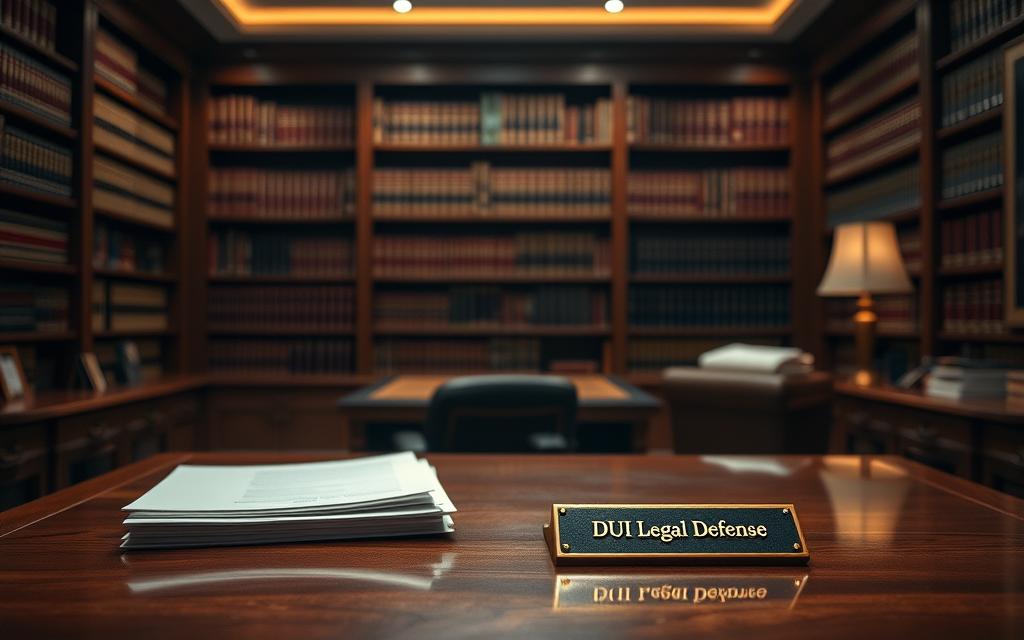
- Find a good DUI lawyer fast
- Learn about the refusal’s effects
- Build a strong defense
Pursuing Defense in Court
A good lawyer can change your case’s outcome. DUI lawyers can:
- Challenge the traffic stop’s legality
- Question the officer’s reasons
- Look for mistakes in the process
Potential Case Outcomes
The results of refusing a breath test vary. Courts look at many things when deciding your case.
| Potential Outcome | Likelihood | Potential Consequences |
|---|---|---|
| Case Dismissal | Low | Needs strong evidence of mistakes |
| Plea Bargain | Moderate | Less severe charges or sentences |
| Conviction | High | Fines, license loss, and jail |
Having a good lawyer is key to lessening DUI penalties after refusing a breath test. Every case is different. That’s why you need a lawyer’s help.
Resources for Legal Assistance
Understanding DUI laws and breathalyzer challenges is tough. You need help to protect your rights and future. Getting the right legal advice is key.
Choosing a good DUI lawyer is very important. They can help with legal issues from breathalyzer refusals.
Selecting a Qualified DUI Attorney
Look for these things in a DUI lawyer:
- They should know a lot about DUI defense.
- They must understand state traffic laws well.
- They should have a good track record in winning cases.
- They need to know about breathalyzer tests.
Support Networks and Organizations
There are groups that help with DUI problems:
- National College for DUI Defense – They offer legal help and education.
- Local bar associations can give you lawyer referrals.
- There are community groups that give legal advice.
It’s important to act fast. Many states have strict rules for fighting license suspensions. For example, Maryland has a 270-day rule for first-time breathalyzer refusals.
Having a good lawyer can help lessen the impact of DUI charges. They can find other ways to handle your case.
The Importance of Staying Informed
Understanding police rights in DUI stops is key. Laws about breath tests and driver rights change fast. It’s important to know the latest rules in your state.
Knowing your rights is vital when facing a breath test. To fight breath test results, you need to know the law well. Learn about penalties like license suspension and fines in your state.
Good places to find info include state DMV sites and legal blogs. Many places have online guides for DUI laws. Doing research helps you make smart choices during stops.
Legal rules change often. Stay up to date by going to legal workshops and talking to lawyers. Reading about recent court cases can also help you understand the law better.
Learn the legal consequences of refusing a breathalyzer test, your rights during a traffic stop, and what happens if you say no. Can I refuse a breathalyzer? Get expert answers here