
How to Handle Landlord Disputes – 8 Smart Legal Strategies for Tenants


Are you stuck in a bad situation with your landlord? Knowing how to handle disputes can help protect your rights. It also keeps your living space peaceful.
Tenant rights in disputes are more complex than many renters think. With 63% of renters having good relationships with landlords, talking things out and planning can solve problems.
Resolving disputes with landlords is about finding common ground. Knowing your rights and using smart strategies can help you deal with tough situations confidently.
Key Takeaways
- Learn your legal rights as a tenant
- Document all interactions and communications
- Understand the importance of clear, written communication
- Know when to seek professional legal advice
- Explore alternative dispute resolution methods
- Maintain professional and respectful dialogue
- Protect your rental history and reputation
Understand Your Rights as a Tenant
Dealing with landlord-tenant laws can be tough for renters. Knowing your rights is key to keeping a good rental deal. It’s important to know the laws that help keep your home safe and fair.
Renters have many legal protections. These laws help keep your home safe and treat you fairly. They come from federal, state, and local rules.
Federal Tenant Rights
The federal government has laws to protect tenants:
- Fair Housing Act stops discrimination in seven areas
- Fair Credit Reporting Act keeps your credit private
- Implied warranty of habitability means your home must be safe
State-Level Protections
States also have laws to protect renters. These laws can be different in each place. They often include:
- Rules on security deposits
- How much notice you need before being evicted
- Laws about rent control
- Standards for repairs and maintenance
Critical Tenant Protections
Every tenant should know about these important protections:
- Security Deposit Rights: Landlords must give back deposits in 14-60 days
- Eviction Notices: You need 3-30 days’ written notice before eviction
- Repair Responsibilities: Landlords must keep your home in good condition
Knowing these rights helps you handle problems and keep your home safe.
Common Types of Landlord Disputes
Rental agreement disputes can cause big problems for landlords and tenants. Knowing the usual conflicts helps both sides deal with legal issues better.
Landlord-tenant relationships face many challenges. These can lead to serious legal fights. These disputes fall into a few main categories that need careful handling.
Non-Payment of Rent Issues
Most disputes are about rent. About 30% of problems come from rent issues.
- Missed rent payments
- Partial rent payments
- Chronic late payment patterns
Property Maintenance Problems
Maintenance disputes lead to legal action. About 15% of landlords face issues with tenants not keeping properties in good shape.
Common maintenance problems include:
- Unreported property damage
- Neglected repair requests
- Improper property upkeep
Lease Violations
When landlords don’t fix things, tenants often complain. Lease violations can cause many problems.
| Violation Type | Frequency |
|---|---|
| Unauthorized pets | 22% |
| Illegal subletting | 18% |
| Prohibited activities | 15% |
Knowing these common disputes helps tenants and landlords solve problems early. This way, they avoid expensive legal fights.
Effective Communication with Your Landlord
Talking to your landlord well is key. Good talks can stop fights and help solve problems legally. Being professional and clear helps keep a good relationship.
Starting with clear talks is important. Keeping records of talks helps protect both sides.
Documenting Conversations
It’s vital to keep records of talks. Here are some tips:
- Use email for formal talks
- Save all text messages and voicemails
- Send emails after talking to sum up talks
- Keep records of all repair requests
Choosing the Right Communication Medium
Pick the best way to talk based on the issue. Written talks leave a trail that helps in disputes.
- For urgent repairs, call then email
- For simple questions, email or use the tenant portal
- For big issues, write a formal letter
Remain Professional and Courteous
Always be polite and clear. This helps solve problems without fights. Being angry or aggressive can make things worse.
About 45% of tenants are unhappy with landlord talks. Being proactive and respectful can make your rental better and reduce fights.
Review Your Lease Agreement Thoroughly
It’s very important to know your rental contract well. This helps avoid and fix legal problems with your lease. A detailed lease agreement is your main protection against legal issues.
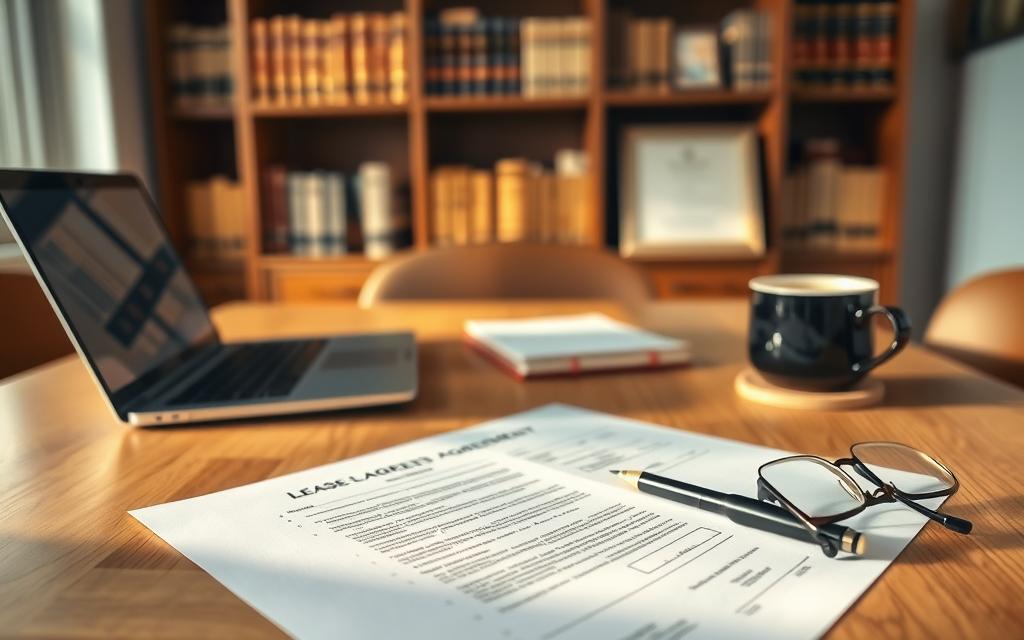
- Rent payment terms and schedules
- Security deposit conditions
- Maintenance responsibilities
- Guest and pet policies
- Lease termination clauses
Key Clauses to Focus On
Some parts of your lease need extra attention. Financial obligations and property use restrictions can really affect your living situation. About 30% of landlord-tenant problems come from unclear lease agreements.
| Lease Section | Critical Points to Examine |
|---|---|
| Rent Payment | Due dates, acceptable payment methods, late fees |
| Maintenance | Tenant vs. landlord repair responsibilities |
| Termination | Notice periods, penalties for early departure |
Understanding Your Responsibilities
It’s key for tenants to know their legal duties in the lease. This includes paying rent on time, taking care of the property, and following rules. Not knowing these duties can cause problems or even eviction.
What to Do if Terms are Violated
If your lease is broken, write down all the details. Talk to your landlord in writing about the problem. If you need to solve legal issues, having good records is very important to protect your rights.
Collect Evidence for Your Case
Gathering solid evidence is key in landlord disputes. When you face issues with your rental, proof can help you win. Digital evidence is now a big deal in court.
Courts now accept many digital proofs. This means tenants have strong tools to fight bad landlords.
Types of Evidence to Collect
- Photographic Documentation: Take clear pictures of maintenance issues, property conditions, and damage
- Text message conversations with your landlord
- Email correspondence about repairs or disputes
- Voicemail recordings of communication attempts
- Maintenance request receipts
- Rent payment records
How to Document Disputes Effectively
Documenting disputes needs a plan. Make a folder for all important stuff. Use screenshots, save messages, and keep a log of talks.
Importance of Keeping Detailed Records
Good records can really help in disputes. Forensic tools now check if digital messages are real. This makes your evidence stronger in court.
- Save all communication right away
- Create backup copies of key documents
- Organize evidence by date and topic
- Keep original receipts and letters
Good documentation can change your case from weak to strong. It’s key in fighting rental property issues.
Notify Your Landlord in Writing
Written words are your strongest tool in rental disputes. Keeping records of talks with your landlord is key. It helps when you need to take legal action against bad landlords. It’s important to write clear, professional letters that protect your rights.
Crafting a Strong Written Request
Writing a good complaint needs a smart plan. Your letter should list the problem, what you want fixed, and when. It’s important for tenants to know how to write a complaint against a landlord. Focus on these main points:
- Precise description of the problem
- Date of initial issue discovery
- Specific actions requested
- Proposed resolution timeline
- Referenced lease agreement clauses
Sample Letter Strategies
Keep your letter professional and to the point. Avoid emotional language or accusations. Add proof like photos, repair records, or inspection reports to back your claims.
Importance of Documentation
Keeping detailed records is vital for legal fights. Studies show tenants with good records have stronger cases. Use certified mail or email to prove you sent it. Keep all your letters and emails safe.
Remember, written records make your complaint official. This helps a lot in legal battles.
Explore Mediation as an Option
Landlord disputes can be tough, but mediation is a good alternative. It helps find solutions that work for both sides. This way, tenants and landlords can work together.
Mediation works well for solving rental problems. Places like Baltimore and San Francisco show it’s effective. They see fewer evictions and solve most disputes without going to court.
Benefits of Mediation
Mediation has big benefits for both landlords and tenants:
- Cost-effective compared to court
- Fast – usually solved in hours or days
- Keeps relationships strong
- Offers unique solutions
- Keeps the dispute private
How to Find a Mediator
Finding a good mediator is easier than you think. Here are some places to look:
- Local housing authorities
- Community legal aid groups
- Professional mediation services
- State or county dispute centers
Steps in the Mediation Process
Knowing the mediation steps helps tenants prepare. The process includes:
- First contact and agreeing to mediate
- A neutral mediator gathering info
- Talking about the dispute
- Working out solutions
- Creating a binding agreement
Mediation lets tenants help solve disputes. It’s a team effort that avoids expensive and stressful court battles.
Know When to Seek Legal Help
Dealing with landlord disputes can be tough. Sometimes, you need a lawyer’s help. Knowing when to ask for legal advice can protect your rights.
Signs You Need a Tenant Rights Lawyer
Some situations mean you should talk to a lawyer. Look out for these signs:
- Receiving an illegal eviction notice
- Experiencing discrimination based on protected characteristics
- Facing significant property maintenance violations
- Encountering repeated lease agreement breaches
- Experiencing financial losses due to landlord actions
Finding the Right Legal Representative
Finding a good tenant rights lawyer takes time. Hourly rates can range from $100 to $350. This depends on the lawyer’s experience and where they are.
Here are some ways to find a lawyer:
- Contact local bar associations
- Utilize tenant advocacy groups
- Check legal aid organizations
- Request referrals from housing rights clinics
Critical Questions for Legal Representatives
When talking to lawyers, ask these questions:
- How many similar tenant cases have you handled?
- What is your success rate?
- Do you offer flat-rate or hourly billing?
- Can you provide a cost estimate?
- Are free consultation options available?
Many lawyers offer affordable help. They might have virtual meetings and flexible payment plans. This makes it easier for tenants to get the legal support they need.
Utilize State and Local Resources
Finding your way through tenant rights can be tough. But, many state and local resources are here to help. They support renters’ legal rights and fight against housing discrimination.
There are many ways to get help if you’re facing problems. Local groups can give you the support you need. They help you understand your legal rights and solve disputes.
Tenant Advocacy Groups
Advocacy groups are key in helping tenants. They offer:
- Free legal advice
- Info on tenant rights
- Help with local housing laws
- Support for filing complaints
Housing Authorities and Legal Aid
Local housing authorities are very important. They help with small claims court, where you can get up to $5,000 or $10,000, depending on the state. You don’t always need a lawyer.
Legal aid groups also help a lot. They:
- Give free or low-cost legal advice
- Help in housing disputes
- Guide you through legal steps
- Offer mediation services
State-Specific Tenant Laws
Every state has its own rules to protect tenants. For example, California has laws that limit rent hikes and protect against unfair evictions. It’s important to know your state’s laws to understand your rights.
Using community resources can really help. They can fight against unfair treatment and help solve disputes. With local support, tenants can protect their rights and find fair solutions to housing problems.
File a Formal Complaint if Necessary
Dealing with landlord problems can be tough. But, filing a formal complaint is a strong way to fight back. It’s key to know how to do this to protect your rights.

Tenants often face big challenges with their landlords. About 50% of them have problems. So, knowing how to file a complaint is very important.
Understanding the Complaint Process
When you file a complaint, you need to follow some steps. This makes sure your issues get looked into. There are different groups that handle different problems:
- Local housing authorities
- State real estate commissions
- Fair housing organizations
- Civil rights commissions
Information Required for Filing
To file a complaint, you need to collect all the right documents. Having strong evidence helps a lot.
| Documentation Type | Required Details |
|---|---|
| Personal Information | Full name, contact details, rental address |
| Property Details | Lease agreement, rental history |
| Complaint Evidence | Photos, communication records, repair requests |
Possible Outcomes of a Complaint
There are many ways a complaint can be solved. The HUD got over 8,000 complaints last year. This shows how important it is to report problems.
- Mediation between tenant and landlord
- Official investigation
- Potential legal action
- Landlord penalties or fines
Writing a formal demand letter can help a lot. It can solve problems without going to court. Always stay professional and keep good records.
Prepare for Legal Action
Understanding landlord-tenant legal rights is key when thinking about legal action. Knowing the lawsuit process helps tenants make smart choices about court.
To sue your landlord, you need to prepare well. You must collect all the documents that prove your case. These documents should show any rental agreement violations.
Understanding the Lawsuit Process
Most landlord-tenant disputes go to small claims court. This process has important steps:
- Monetary limits vary by state
- Lawyers are typically not permitted in small claims proceedings
- Filing fees range from $30 to $100
Key Documents to Prepare
Good legal action needs careful document collection. You’ll need:
- Complete lease agreement
- Written correspondence with landlord
- Photographic evidence of property conditions
- Maintenance request records
- Financial transaction proofs
What to Expect in Court
Court requires you to be professional and clear. Tenants should practice explaining their case well. Bring lots of evidence copies. Stay calm, dress right, and focus on facts.
Remember: Legal action should be a last resort after exhausting communication and mediation options.
Alternative Dispute Resolution Methods
Dealing with landlord disputes can be tough for tenants. Luckily, there are ways like mediation to solve problems without going to court.

When talking doesn’t work, tenants have strong options. They can address issues in a professional and quick way.
Arbitration vs. Mediation: Key Differences
It’s important to know the difference between arbitration and mediation. This helps tenants pick the best way to solve disputes:
- Arbitration leads to a final decision that must be followed
- Mediation helps both sides find a solution together
- Arbitration is more formal
- Mediation is more flexible
Benefits of Alternative Resolution Methods
These methods have big benefits for landlords and tenants:
| Method | Cost | Duration | Outcome |
|---|---|---|---|
| Mediation | Low | Few hours to weeks | Mutually agreed solution |
| Arbitration | Moderate | Days to weeks | Legally binding decision |
When These Methods are Most Effective
Mediation is best when:
- Both sides want to keep things professional
- The issue is not too big
- Costs need to be low
- Quick fixes are needed
Professional tip: Groups like the American Arbitration Association offer help to solve problems quickly.
Maintain a Positive Rental History
Keeping a good rental history is key. It helps solve lease problems and keeps things smooth with landlords. Your rental history is very important for getting future homes.
A good rental history report does more than just show if you paid on time. It also shows other important things that landlords look at when they decide if you can rent their place.
Importance of Good Tenant Behavior
Being a good tenant is very important. Landlords like tenants who are reliable and take care of the property. Here are some ways to be a great tenant:
- Pay rent on time every month
- Keep the place clean and in good shape
- Talk to your landlord about any problems
- Follow the rules in your lease
Keeping Accurate Payment Records
It’s important to keep track of your payments. About 70% of landlords use tenant screening services. So, keeping accurate records is very important.
- Save all your rent receipts
- Take pictures of your digital payments
- Ask your landlord for payment confirmations
- Keep a record of your payments yourself
Proactive Communication Strategies
Talking openly with your landlord can help avoid problems. About 60% of tenants can improve their history by knowing what landlords want. Always talk things out and keep a record of your talks.
Having a good rental history helps you get future homes. It’s also a big help in solving lease problems legally.
Learn from the Experience
Dealing with landlord disputes needs careful thought and planning. It’s important to understand why problems happen. This way, you can talk better and avoid future issues.
Start by looking back at what went wrong. Think about what you did and what you didn’t understand. About half of tenants face problems with landlords. So, learning to solve conflicts is key.
Setting clear boundaries helps keep things good between you and your landlord. Keep all talks in writing and know your lease well. This can stop many problems. About 30% of tenants fix issues just by talking it out.
Always talk openly, keep good records, and respect each other. Use what you learned to make your living situation better. Remember, knowing your rights is your best defense in dealing with rental issues.
Learn how to handle landlord disputes effectively with proven legal strategies. Protect your rights as a tenant, document everything, and resolve conflicts professionally while staying within the law.